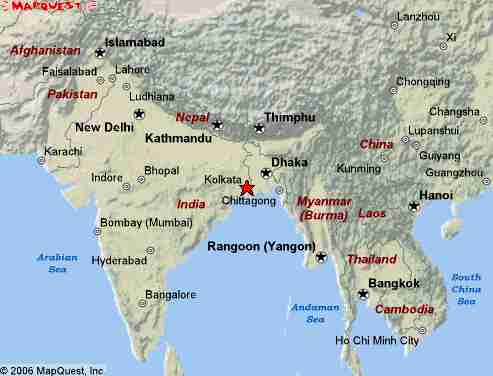
2006年7月、カルカッタに来た。インドにはずいぶん昔に一度来た事があって、そのときにはデリーとかアグ
ラといっていくつかの都市を訪ねる機会があったが、カルカッタにくるのは今回が初めてだ。
インドといえば、ITやソフトウェア産業の発展が経済を牽引し、最近の経済成長は平均で8%くらいの高い水準にあるそうだ。日本の高度成長が10%前後
の成長率だったから、それに迫る勢いということができる。またインドの人口はすでに10億人を越えている。たとえば、インド人の十人に一人が自動車を買え
ば、それは日本人が一人一台買うのと同じ台数になる。インドに久しぶりに行くにあたって、私のイメージのなかでは、経済成長の真っ只中の、新しいインドの
イメージがムクムクと膨らんだ。
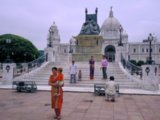
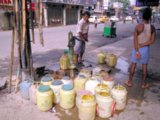
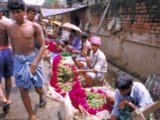
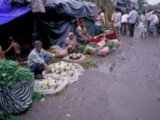
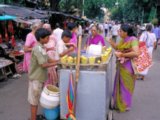
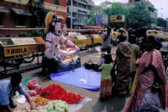
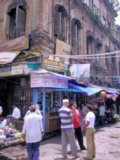
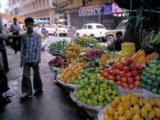
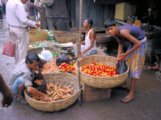
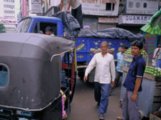
それが間違っていた訳ではない。ただカルカッタに到着して思ったのは、発展して変化するインドがあるとともに、目の前には路上で暮らす困窮した人がたく
さんい
る。外国人と見るとついてきては金をねだる多くの物乞いがいる。これもインドの現実なのだ。
いわばインドには変わらぬものと変わりつつあるものが渾然と共存しているのかもしれない。しかし、いつまでそうかといわれれば、あまり自信はない。
In July 2006, I came to Calcutta. I have
been to India once long before, and visited cities like Delhi, Agra and
a few others. But Calcutta I have never been before, and this is
my fist visit.
Talking about India, one may recall that the
computer and information technology is leading the economic growth,
that averages around 8% per year or so in the last 5 years or so.
One may also recall that the population of India has already surpassed
1 billion mark. Small change in the income of Indian people may
mean a emerging new market for manufacturing industries, such as
automobiles.
This is not the only truth, I thought, after
spending some time in Kolkata. There are rapidly changing things
in India, but also there are unchanged scene in the city, too.
Numerous people take to the road, and some start to beg money to
foreigners. This is also a piece of truth.
India is mixture of rapidly changing things
and things that are left out for a change. This may, and may not
be true for long.